
Would Licensed and Controlled Use of Pyrotechnics Reduce Safety Risks at Football Matches?
This article has been translated from the original Finnish-language article published on 22 August 2026 under the title "Neljä ruotsalaispuoluetta sallisi pyrot jalkapallo-otteluissa – tulisiko poliitikkojen Suomessakin ottaa nollatoleranssilinjan mielekkyys tarkasteluun?"
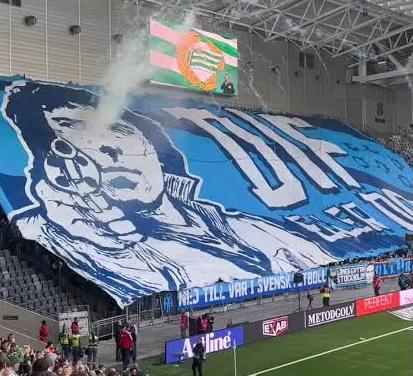
In Sweden, four political parties represented in the Riksdag want to follow Norway’s example and introduce licensed and controlled use of pyrotechnics at football matches. The parties believe this would make match events safer. In Finland, the authorities continue to defend a zero-tolerance policy, even though the arguments behind it and its practical consequences are increasingly raising questions. Should politicians in Finland and elsewhere in Europe, following the example of Norway and Sweden, intervene to determine whether a permissive and controlled approach could be safer than zero tolerance?
In Sweden, four parties in the Riksdag want to follow Norway’s example and allow pyrotechnics at football matches under controlled conditions. The issue was first reported by Sveriges Radio’s (Swedish national public broadcaster)Radiosporten. The four parties are the Liberals, Sweden Democrats, Green Party and Christian Democrats.
The issue has become one of the themes in the Swedish parliamentary elections taking place in September. One of the arguments raised in the debate is that the ban on pyrotechnics, which has been in place for 25 years, has not reduced their use. Pyrotechnics are much more common in Sweden than, for example, in Finland. The parties believe that allowing their use under a licensing and controlled system, following the Norwegian model, would improve the safety of match events rather than a zero-tolerance policy.
“There has been a long-standing debate about this, and there have previously been disagreements within the party as well. But now allowing pyrotechnics is the party’s official position, and personally I am very happy about it,” says Markus Kerttu of the Green Party in an interview with SvenskaFans.
There have also been opposing voices among the parties. Sweden’s largest party, the Social Democrats, opposes the idea. Their view is that efforts should first be made to ease tensions between the police and supporters.
The Swedish police have for years advocated significant tightening of controls. We published a report last year on the situation in Sweden at the time. Politicians in Sweden may now take matters into their own hands and reverse the country’s approach to safety at football matches.
Norway’s Legal Reform – Fire Authorities No Longer Decide on Permits
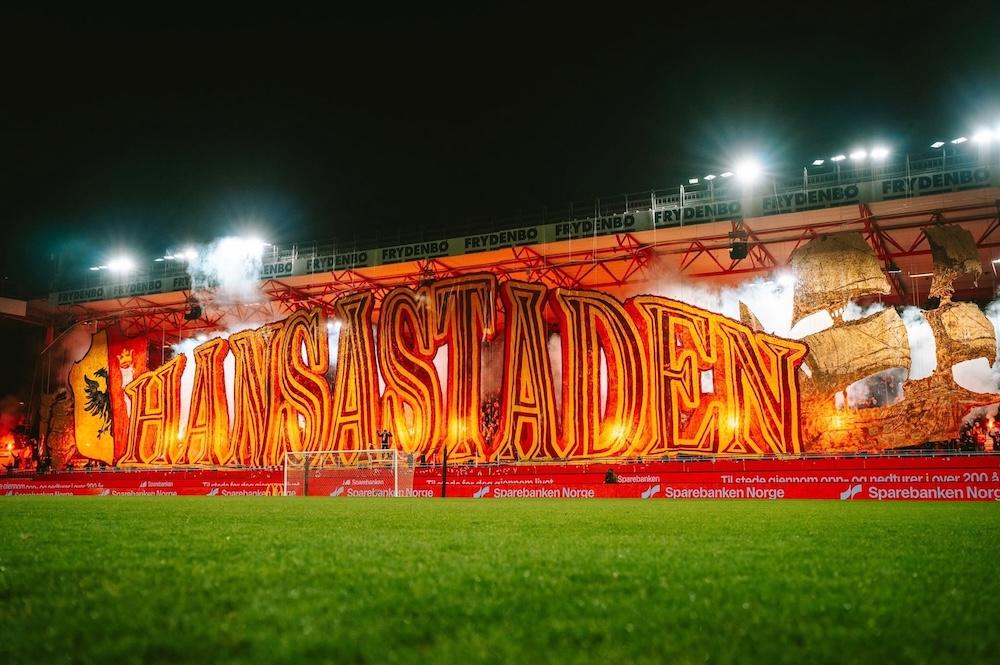
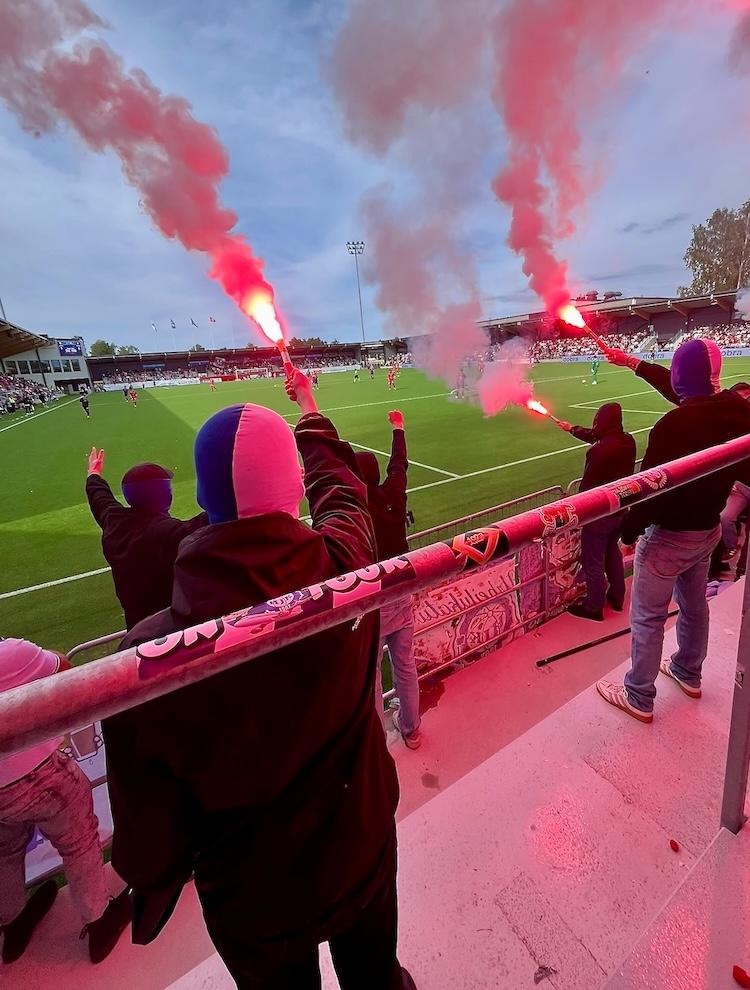
Last year, Norway introduced a legislative change allowing pyrotechnics to be used at football matches. Based on positive experiences, the Norwegian government decided last spring to extend the one-year trial period by two years.
However, one change was made to the law. During the first year, permission to use pyrotechnics had to be obtained from the local fire authority. But because the fire authorities were unable to process applications consistently and some Norwegian stadiums were not granted permission, the Norwegian government decided that permits would no longer be required. The safety plan prepared by the home club is sufficient.
As in Sweden, Norwegian authorities initially opposed a more permissive approach.
Is the Police a Reliable and Impartial Authority to Decide on Match Safety?
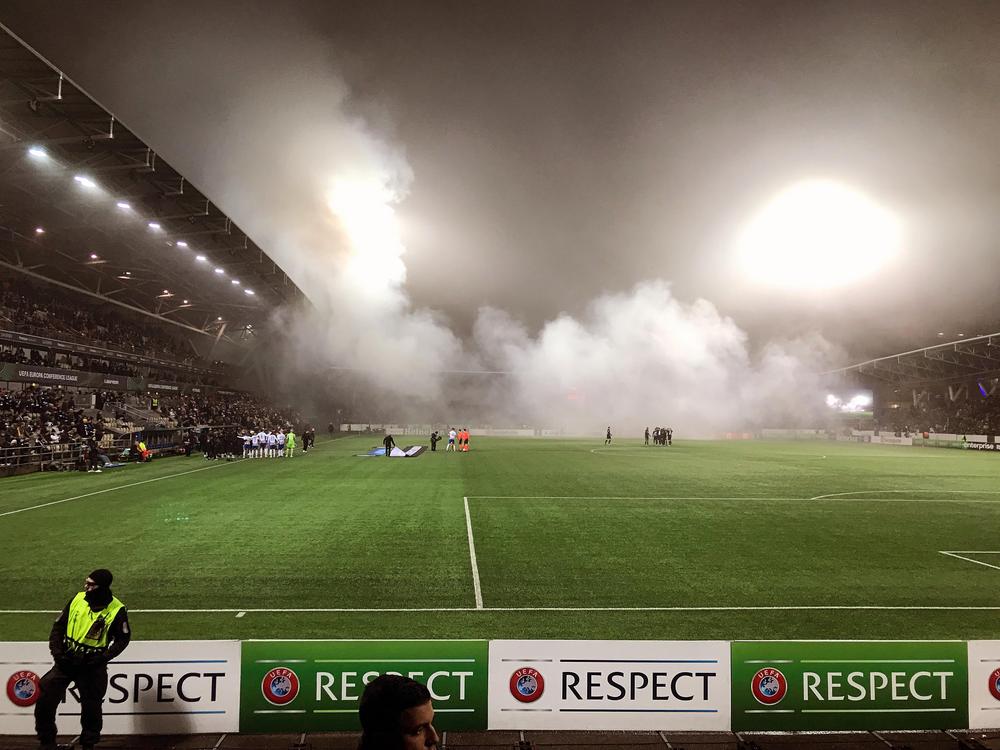
In Finland, the use of pyrotechnics at matches is legally possible, but permission is required from both the police and fire authorities. Under the law, these authorities can prohibit pyrotechnics if there is an “obvious risk of personal injury, environmental damage or property damage.” This has resulted in a categorical ban on pyrotechnics by the both authorities. The Finnish Football Association’s regulations also prohibit their use.
The police also determine various aspects related to event safety. This season, in the Veikkausliiga, Finland’s highest level of football, this has led to several matches being interrupted and, in Lahti, even to criminal suspicions involving FC Lahti’s management, because the match was not stopped despite the police requiring it to be stopped if pyrotechnics were used.
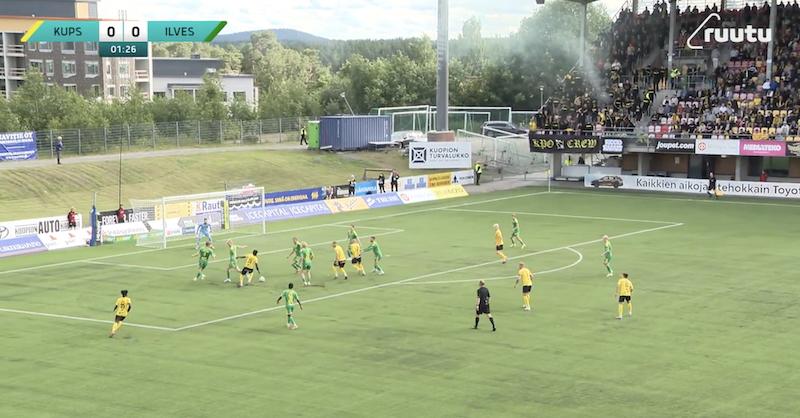
The situation has escalated across Finland, with incidents reported in several cities. For example, in a threat issued by the Helsinki Police to HJK Helsinki, the club was warned that, in the worst-case scenario, it could be forced to play the rest of the season without spectators. In Kuopio, the police banned tifos by KuPS supporters in the stands because of a small amount of smoke (behind a paywall: Link to the Ruutu+ broadcast, where the smoke can be seen).
The decisions and measures taken by the police appear disproportionate. A threat to force a club to play the rest of the season behind closed doors is such a severe measure that it should be based on a serious threat to people’s health or another compelling reason. Based on the video, the amount of smoke seen in Kuopio does not appear to have caused significant harm to people’s health.
It is noteworthy that, for example, there have been no violent incidents at HJK Helsinki’s home matches at Bolt Arena over the past couple of years. The police measures therefore appear, in most cases, to be aimed primarily at preventing the use of pyrotechnics.
Is Pyrotechnics Such a Serious Health Risk That It Justifies the Helsinki Police’s Threat?
We investigated the issue this summer and interviewed, among others, representatives of the Finnish police and the Finnish Safety and Chemicals Agency (Tukes). In July, we published an article entitled “The Debate on Football Safety Relies on Surprisingly Limited Research Evidence” (article is in Finnish).
It emerged that no studies have been conducted in Finland on the dangers and health effects of pyrotechnics, for example their effects on the air people breathe. Tukes’ strict position on pyrotechnics is based on the British Pyrotechnics in Stadia study. The study examined the use of unauthorised pyrotechnic products in stadiums. It did not compare this with licensed use.
It also emerged that Tukes has no defined threshold values for airborne particle concentrations. The amount of particles increases when flares and smoke devices are used, but particle levels also increase for many other reasons, including traffic congestion and cooking.
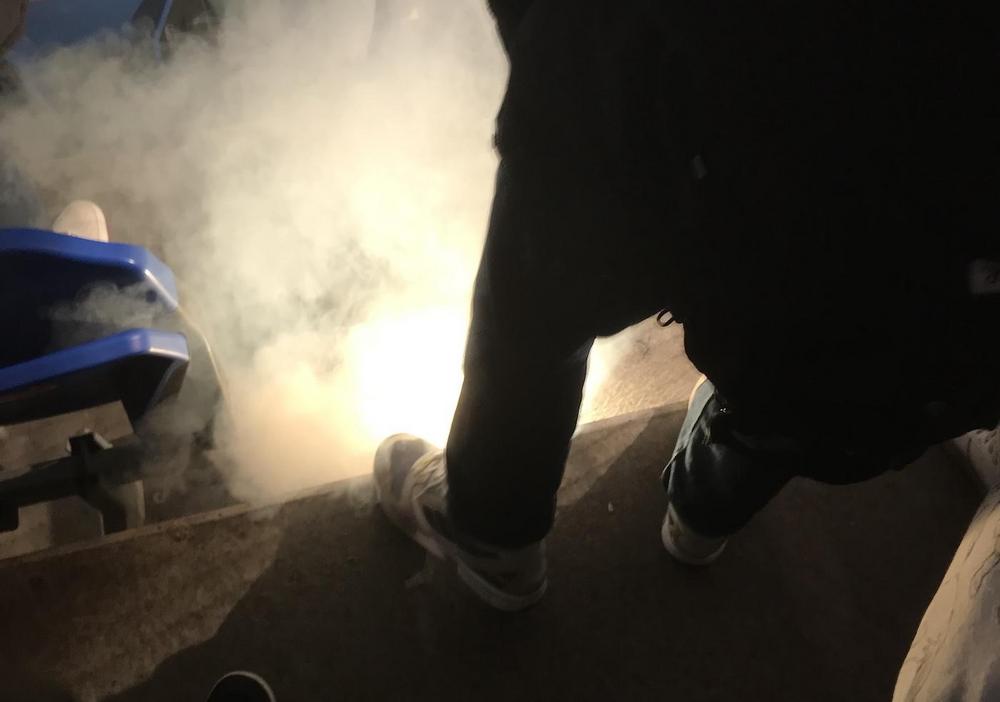
A 2013 study conducted in Sweden at Stockholm’s Friends Arena, now Strawberry Arena, found that particle concentrations remained below the Swedish occupational exposure limit of 5 mg/m³ for particles capable of penetrating deep into the respiratory tract.
The Police Appear to Rely Even on Misleading Information When Defending Their Position
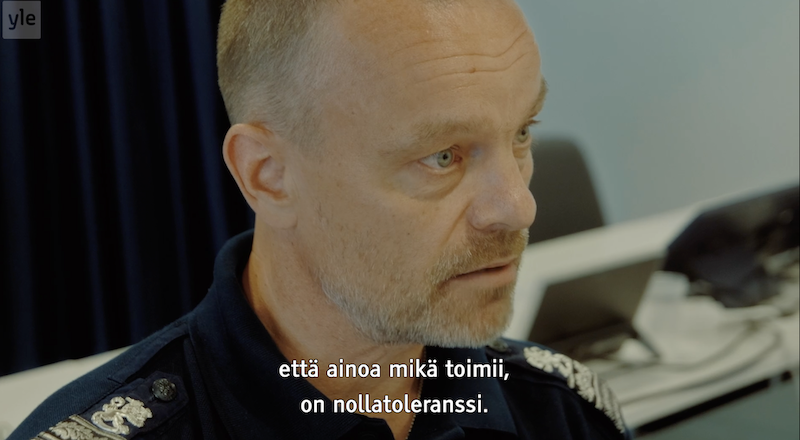
In an article published in July, we reported how Finnish Police Inspector Tuomo Korhonen stated in an episode of a Yle documentary series, Ultras, that: “When it comes to pyrotechnics, we have good examples internationally. We have Greece, Turkey and England, where the only thing that works is zero tolerance. And once pyrotechnics have been eliminated through zero tolerance, they have become family events.”
We asked for clarification on this puzzling statement, since Turkey and Greece are widely recognised as being among the European countries where pyrotechnics are most commonly used. It emerged that Korhonen had based his statement on a meeting of the Council of Europe’s T-S4 (Saint-Denis Committee) expert committee in Strasbourg, where, during an informal discussion, a Turkish police officer had said that pyrotechnics had successfully been eliminated from the matches of an unidentified team.
"It is nevertheless likely that these examples are from individual stadiums, and that different stories can also be found in these countries. In Ankara, Turkey, a stadium once known as a sea of fire was reportedly completely free of pyrotechnics as recently as November 2025. I have not visited the stadium myself, but one has to take the word of official sources when this is what they have reported", Korhonen commented to us.
The statement concerning the entire country turned out to have been based on a single Turkish team whose identity remains unknown. Howevre, in our searches, we found no confirmation of such a “family event” team or stadium.
Sweden: The Authorities’ Approach Has Been Challenged
It is common in almost every country for the public debate to be dominated almost exclusively by the voices of the authorities, resulting in a zero-tolerance approach prevailing in the discussion. Challenges to these arguments are conspicuously absent.
In Sweden, too, the authorities have publicly advocated zero tolerance, but the Swedish media have also seen these arguments challenged.
The proposed legislative changes based on the inquiry Safer Sporting Events, led by Anders Hübinette, were circulated for consultation in Sweden last spring. The proposal, which included bans and stricter measures, was criticised soon after its publication.
Marie Demker, Professor of Political Science at the University of Gothenburg, and Felipe Estrada, Professor of Criminology at Stockholm University, wrote in Göteborgs-Posten under the headline “Allow Pyrotechnics at Matches Instead of Criminalising Them” that the inquiry examined all possible risks associated with pyrotechnics. However, although almost 20,000 uses of pyrotechnics were reported in Sweden in 2023 and 2024, the report did not mention a single serious case resulting in personal injury.
The Swedish Court of Appeal opposed the legislative changes in an opinion published in September 2025. Among its reasons, the Court noted that the inquiry did not present research evidence demonstrating the dangers of pyrotechnics.
Would Licensed and Controlled Use of Pyrotechnics Make Matches Safer?
The positions of the authorities appear to be firmly locked into zero tolerance. At the same time, their arguments in favour of zero tolerance appear to be very weak. A more permissive approach is dismissed on the basis of informal discussions or by referring to studies that do not address the licensed use of pyrotechnics at all.
In this situation, a balanced discussion on the issue cannot take place. The authorities do not appear willing even to consider a more permissive approach, let alone examine different options and compare their safety. This inevitably raises the question: should politicians, not only in Norway and Sweden but elsewhere as well, take control of safety matters at football matches?
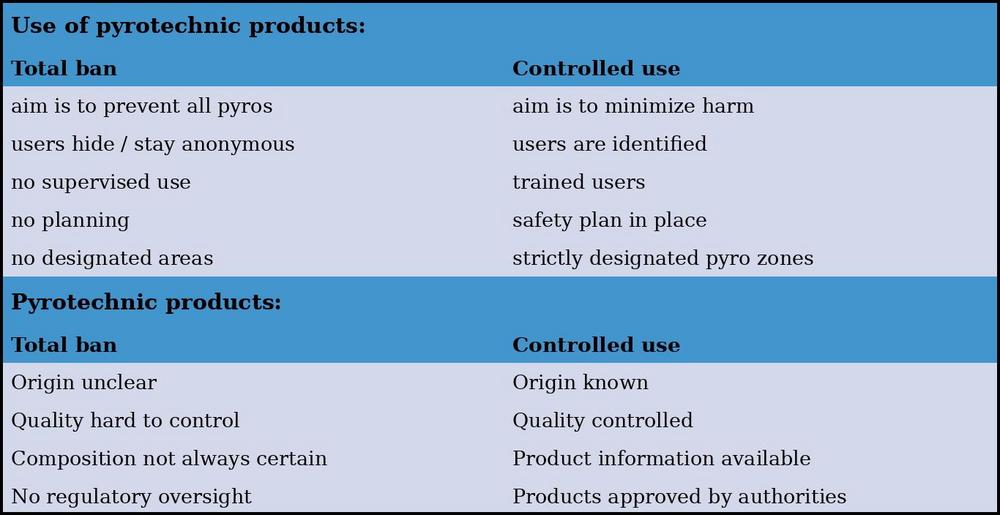
It would be necessary to investigate whether licensed and controlled use of pyrotechnics could be safer than the current zero-tolerance policy. The risks should be assessed specifically in relation to controlled use: what would happen if flares were used by trained individuals, at predefined safety distances, and with pyrotechnic products that had been deemed safe?
In Norway and Sweden, politicians have concluded that licensed use reduces safety risks. A closer look at the issue makes it easy to reach the same view.
Author: Juha Juoni
Forza HJK - the official supporter group of HJK Helsinki